Honest Advice · Tailored Solar & EV Solutions
Residential Renewable Energy

Tailored Solar
Energy for
Your Home.

Protect your household against fluctuating electricity costs with an intelligently designed solar PV and battery storage system tailored to your property.

Zero Sales Pressure
Bespoke Solar Design
Kent-Based Team
The Homeowner Advantage

Why Invest in Home Solar Energy?

Generating your own clean electricity can help you reduce reliance on the grid, manage household energy costs and make better use of renewable power.

Reduce Electricity Bills

Generate your own electricity during daylight hours to help power appliances and reduce the amount of energy purchased from your supplier.

Make More of Your Solar Energy

Combine solar panels with a suitable home battery system to store some of the electricity generated during the day for use later in the evening.

Potential Earnings From Surplus Power

Depending on eligibility and your energy supplier, you may be able to receive payments for eligible surplus electricity exported to the grid through the Smart Export Guarantee.

Engineering Made Simple

How Domestic Solar Works

A domestic solar PV system converts sunlight into electricity for your home, with optional battery storage to help you make the most of the energy you generate.

1

1. Solar Panels (PV)

Solar panels capture sunlight and convert it into direct current (DC) electricity, which can be used to help power your home.

2

2. Smart Inverter

An inverter converts the DC electricity generated by your solar panels into alternating current (AC) electricity suitable for household appliances.

3

3. Battery Storage

Where installed, a home battery can store surplus solar electricity generated during the day for use later when your panels produce less energy.

4

4. Grid Export (SEG)

Surplus electricity may be exported to the grid. Eligible households may receive payments through the Smart Export Guarantee, subject to supplier terms.

Precision Craftsmanship

Tailored Installations Designed for Your Home

No two properties are identical. That's why we focus on designing solar installations around your individual property, roof structure, energy requirements and preferences.

Considered Panel Design

Solar panel layouts selected to complement your property while making effective use of available roof space.

Roof Suitability & Installation

We consider relevant roof characteristics and installation requirements when recommending a suitable solar solution.

Neat & Professional Finish

Careful attention to equipment placement, cabling and overall presentation for a tidy finished installation.
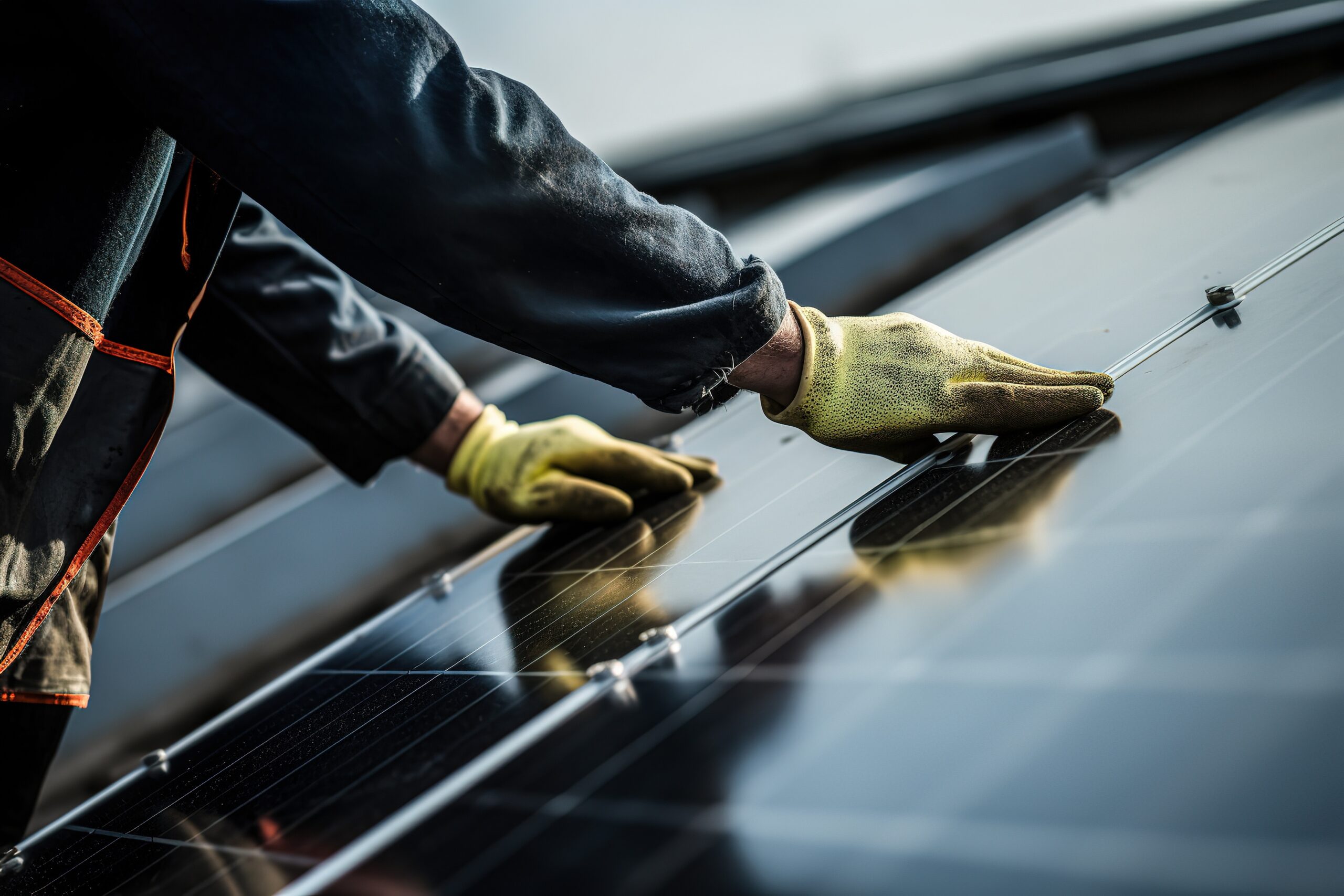

Residential solar installation
Our Approach: Professional installation with attention to workmanship, communication and detail.
Common Questions

Domestic Solar FAQs

Everything you need to know about installing solar panels on your home.

Is my roof suitable for domestic solar panels?

Many UK pitched roofs are suitable for solar panels. South-facing roofs often provide excellent generation potential, but east- and west-facing roofs can also perform well. Roof condition, available space, shading and orientation all influence suitability. A property assessment can help determine the best approach.

Do solar panels still generate power during cloudy UK days?

Yes. Solar panels can generate electricity using daylight, even when it is cloudy. However, electricity generation will generally be lower during overcast conditions than during periods of strong sunlight.

Do I need a home battery storage system with my solar panels?

No. Solar panels can operate without battery storage. However, a compatible battery can help you store some of the electricity generated during the day for use later when your solar panels are producing less power. Whether a battery is worthwhile depends on your energy usage, system design and budget.

Do I require planning permission for residential solar?

Many domestic solar panel installations in England fall under permitted development rights and do not require a separate planning application. However, restrictions and conditions can apply, particularly for listed buildings, certain designated areas and installations that do not meet permitted development requirements. You should confirm the requirements for your property before proceeding.

How long does a typical domestic installation take?

Installation times vary depending on the size and complexity of the system, property access, roof conditions and whether battery storage is included. An estimated installation schedule can be discussed once your requirements have been assessed.

What warranties and aftercare are provided?

Warranty arrangements can vary depending on the equipment selected and the terms of your installation agreement. Our team can explain the applicable equipment warranties, workmanship cover and available aftercare before you proceed.

Start Your Domestic Solar
Journey Today

Request your bespoke home roof survey and transparent quotation with our Kent installation team.

Free consultation · No obligation · Friendly Kent team

🍪